

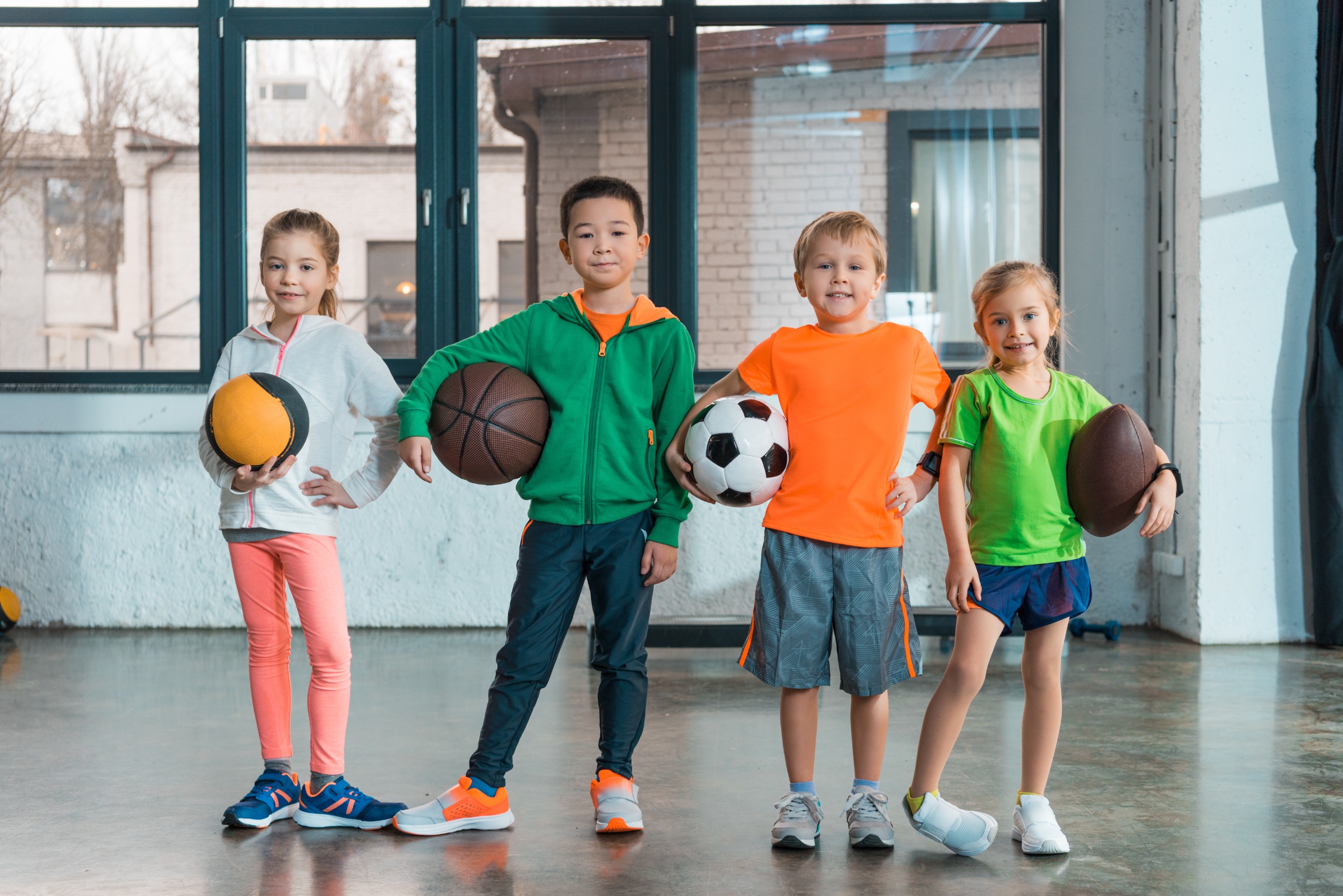
The offseason may mark the end of regular league play, but it doesn’t have to mean a break from development, community connection, or fun. Summer is actually one of the best times for youth sports organizations to offer creative programs that keep players active, build skills, and attract new families. Whether your goal is to maintain momentum between seasons, introduce kids to different sports, or generate additional revenue for the organization, well-designed offseason programs can make a huge impact. By offering flexible, engaging opportunities outside the traditional league schedule, you create a year-round pathway for athletes to grow, explore, and stay connected to the sport.
1. Summer Skills Clinics
Offer single-day or multi-day clinics focused on fundamentals like hitting, shooting, dribbling, passing, pitching, or footwork. These short-format sessions help players sharpen skills without committing to a full season.
2. Weeklong Sports Camps
Host a structured, Monday–Friday camp featuring drills, games, competitions, and theme days. Camps can focus on one sport or introduce players to multiple sports throughout the week.
3. Small-Sided Game Leagues
Run versions of the sport with fewer players—such as 3v3 basketball, 5v5 soccer, 4v4 flag football, or 3v3 hockey. Smaller formats offer more touches, more scoring, and lots of development.
4. Speed, Agility, and Conditioning Programs
Create a summer athletic performance program focusing on running mechanics, agility ladders, resistance training, and injury prevention. This is great for multi-sport athletes.
5. All-Skills Open Gyms / Open Fields
Designate regular times when kids can show up for informal play, supervised scrimmages, or pickup games. This promotes fun, creativity, and low-pressure development.
6. Parent–Child Sports Nights
Invite families to participate together in simple games or mini-competitions. These programs are great for strengthening community connections and promoting family involvement.
7. Intro to Sports Programs for Younger Kids
Run non-competitive introductory programs for ages 3–6 that teach basic movements and simple sports activities. These are popular with new families and grow future league participation.
8. Positional Training Sessions
Offer position-specific clinics such as pitching and catching (softball/baseball), goalkeeper training (soccer), linebackers/receivers (football), or setters/hitters (volleyball). These attract athletes looking for specialized development.
9. Multi-Sport Conditioning Camps
Combine skills from different sports like basketball footwork, soccer agility, volleyball reaction drills, and flag football sprint work to create a fun, energetic summer hybrid camp.
10. Athlete Leadership and Team-Building Workshops
Provide workshops focused on teamwork, communication, confidence, nutrition, and mental toughness. These teach life skills alongside sports skills.
11. Summer Scrimmage Nights
Host weekly scrimmage sessions where players are grouped by age or ability level and get supervised gameplay without a structured league commitment.
12. Backyard Games & Fun Competition Night
Organize nights featuring spikeball, wiffle ball, relay races, obstacle courses, or street hockey. These bring families out and allow all kids, athletes or not, to join in the fun.
13. Sport-Specific Mini Tournaments
Run one-day or weekend tournaments such as 3-point contests, home run derbies, penalty kick shootouts, or 7v7 soccer tournaments. They are fun, fast, and easy fundraisers.
14. Skills Combine / Athlete Testing Events
Host events where players measure sprint times, vertical jump, agility scores, throwing velocity, or shooting accuracy. Athletes love seeing progress throughout the summer.
15. Summer “Try-It” Sessions
Invite players to try new sports they may have never played—lacrosse, field hockey, volleyball, pickleball, rugby, or tennis. This encourages multi-sport participation and grows new programs.
 Previous Post