

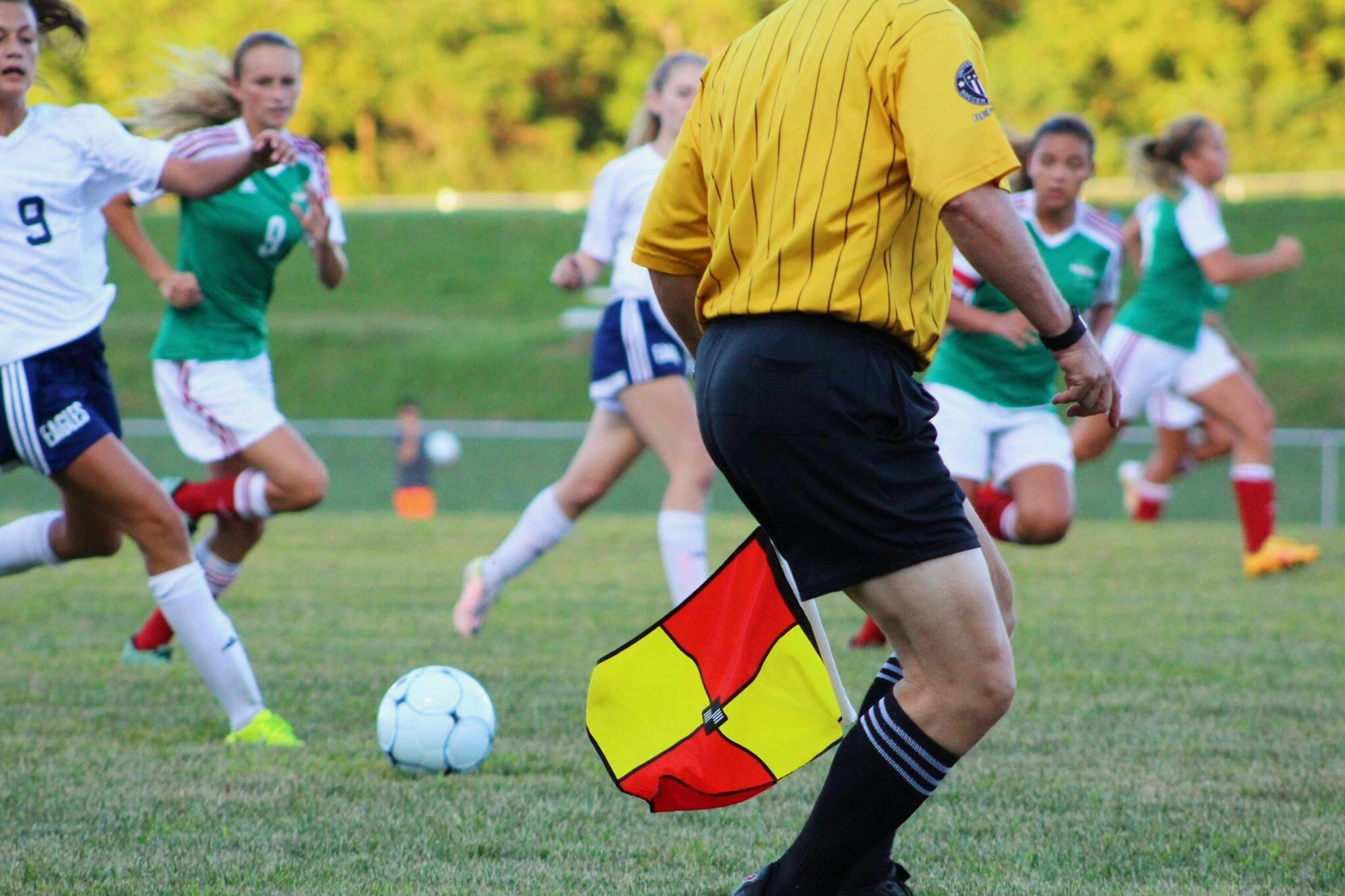
Great customer service is the backbone of every successful youth sports organization. While most people think of youth sports as practices, games, and uniforms, the experience families have off the field such as how questions are answered, how concerns are handled, and how communication flows all plays an equally important role in building trust and satisfaction. Parents, players, coaches, and volunteers all rely on staff and administrators for clear information and support. When customer service is strong, it creates a positive environment that keeps families engaged season after season. Below are essential guidelines that every youth sports program should follow to provide exceptional service to their community.
1. Communicate Clearly and Frequently
Effective communication prevents confusion, reduces frustration, and builds confidence in the program. Families need timely updates about schedules, field changes, weather cancellations, registration deadlines, and league policies. The more proactive the communication, the better the customer experience. Use a combination of email, text alerts, social media, and league apps so families never feel out of the loop. Consistent communication also helps avoid misunderstandings that can lead to complaints, making it one of the most important customer service habits a league can develop.
2. Be Accessible and Responsive
Parents appreciate when their questions and concerns are acknowledged quickly. Whether it’s a phone call, email, message through a league app, or a face-to-face conversation, being responsive shows families that their time and involvement matter. Aim to reply within 24 hours whenever possible, even if it’s just to let them know the issue is being looked into. Accessibility also means having clear contact information, office hours, and designated roles so families know exactly who to reach for help. A responsive organization earns trust, and trust keeps families returning.
3. Practice Empathy and Patience
Youth sports are emotional. Parents want what’s best for their children, and sometimes frustrations or concerns arise. When they do, staff and coaches should approach every interaction with empathy. Listening with patience, acknowledging feelings, and offering solutions calmly helps diffuse tension and demonstrates professionalism. Even when dealing with challenging situations, treating people with understanding and respect goes a long way toward maintaining strong relationships and a positive environment.
4. Maintain Consistency and Fairness
Fairness is one of the most valued qualities in youth sports. Whether handling playing time questions, team assignments, referee complaints, or disciplinary actions, consistent enforcement of policies builds credibility. Parents should feel confident that decisions are not made impulsively or with bias. A well-defined set of rules, communicated clearly in advance, ensures that everyone knows what to expect. When league staff consistently follow these standards, it creates a transparent and trustworthy experience for all families.
5. Train Coaches and Volunteers in Customer Service Skills
Coaches, referees, and volunteers are often the primary points of contact for families. Equipping them with basic customer service training such as how to communicate with parents, handle complaints, set expectations, and maintain professionalism helps ensure a smooth experience on and off the field. Programs that invest in training not only strengthen the overall quality of their staff but also reduce misunderstandings that could escalate. A well-trained coach or volunteer improves the experience for every family they interact with.
6. Create a Positive and Welcoming Environment
Customer service isn’t just about solving problems, it’s about creating a culture families want to be part of. Smiling greetings at games, encouraging coaches, helpful volunteers, and organized processes all contribute to a welcoming atmosphere. Small touches like clear signage, friendly reminders, and appreciation messages make a big impact. When families feel valued, they become long-term supporters of the league and its mission.
7. Address Issues Promptly and Professionally
Not every conflict can be avoided, but how it’s handled matters. When issues arise, addressing it quickly shows families that their experience matters. Have a clear process for receiving, reviewing, and resolving concerns so that all parties feel heard. Professionalism during conflicts reflects the integrity of the entire organization.
8. Celebrate the Community and Show Appreciation
Recognizing the effort of coaches, volunteers, parents, and staff strengthens the sense of community. Celebrate milestones, share team spotlights, publicly thank volunteers, and highlight positive stories across communication channels. Appreciation boosts morale, encourages continued involvement, and reminds families that youth sports are about more than competition they’re about connection.
Youth sports organizations that prioritize customer service create a strong foundation for lasting success. When families feel heard, informed, and supported, the entire program benefits. Clear communication, empathy, fairness, and professionalism transform everyday interactions into positive experiences that keep kids excited, parents engaged, and the organization thriving. Investing in customer service is one of the most effective ways to build a youth sports program that families trust and love.
Elevate Your Program with our Youth Sports Training & Education Solutions
 Previous Post
 Next Post