

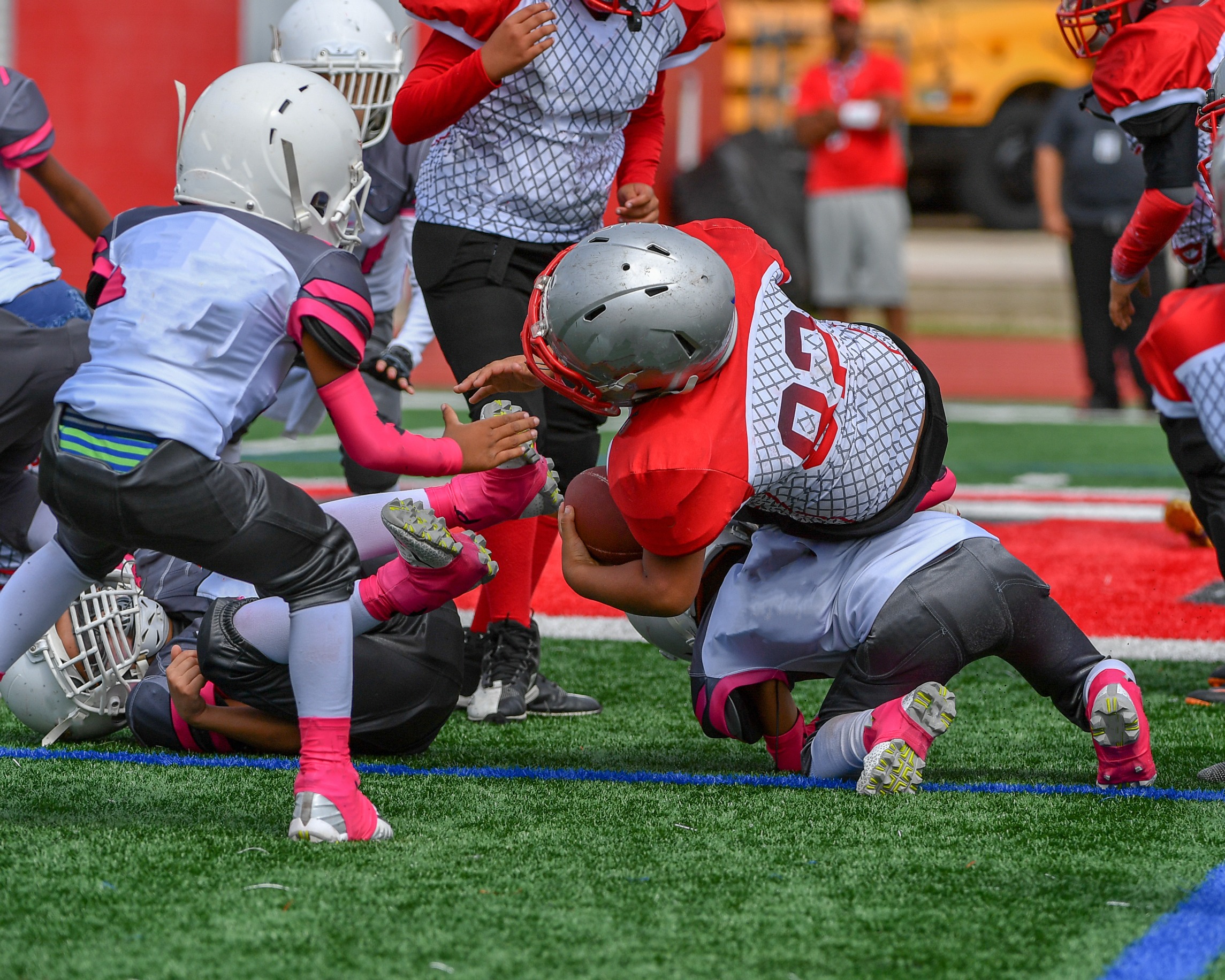
Safety in youth sports goes far beyond having a first aid kit on the sideline. Every practice, game, facility, piece of equipment, coach, and organizational procedure contributes to the environment in which young athletes participate. While injuries and emergencies cannot always be prevented, youth sports administrators can reduce risk by making safety part of everyday operations rather than something addressed only after an incident occurs.
A strong safety program is built in layers. Each layer provides another level of protection for athletes and another opportunity for an organization to identify a problem before it becomes an emergency.
FOUNDATION: Prepare the Organization
1. Establish Written Safety and Emergency Procedures
Every organization should have written procedures addressing injuries, severe weather, missing children, facility emergencies, communication, emergency transportation, and other situations relevant to its programs. Emergency Action Plans should identify responsibilities, emergency contacts, facility access points, and how emergency medical services will be reached. Plans should be reviewed regularly and communicated to coaches and appropriate volunteers.
2. Screen and Train Coaches and Volunteers
The adults responsible for young athletes are an important part of the safety system. Organizations should use appropriate screening and background-check procedures and provide training based on each person’s responsibilities. Training may include first aid and CPR requirements, emergency response, supervision, injury recognition, heat safety, concussion procedures, abuse prevention, and organizational reporting policies.
BEFORE PARTICIPATION: Know Your Athletes
3. Collect Important Medical and Emergency Information
Organizations should have a reliable process for collecting current emergency contacts, allergies, medical conditions, medications when relevant to program responsibilities, and other information needed to respond appropriately to an emergency. Access to this information should be controlled but available to authorized personnel when it is needed.
4. Use Age-Appropriate Programming and Equipment
Activities should match the developmental level, size, experience, and abilities of participants. Rules, field dimensions, equipment, practice intensity, and contact levels may need to change for different age groups. Equipment should fit properly and be inspected regularly for excessive wear, damage, or other conditions that could create unnecessary risk.
EVERY PRACTICE AND GAME: Control the Environment
5. Inspect Fields, Courts, Equipment and Facilities
Playing areas should be checked before activities begin. Look for holes, standing water, debris, damaged goals, exposed hardware, slippery surfaces, inadequate lighting, unsafe fencing, or other hazards. Organizations using facilities they do not own should establish a clear process for reporting problems and determining when an area should not be used.
6. Prepare for Heat and Severe Weather
Weather conditions can change quickly and should be monitored throughout practices and games. Establish procedures for extreme heat, lightning, severe storms, poor air quality, and other environmental conditions common to your location. Coaches should understand when activities need to be modified, delayed, relocated, or canceled and where athletes should go when shelter is required.
7. Maintain Appropriate Supervision
Many safety problems occur when athletes are not being actively supervised. Organizations should establish expectations for when coaches must arrive, when athletes may be released after activities, appropriate adult-to-athlete supervision, locker rooms or changing areas when applicable, and situations where athletes may be separated from the larger group. Coaches should understand that supervision responsibilities extend beyond the actual playing time.
WHEN SOMETHING HAPPENS: Respond Effectively
8. Establish Clear Injury and Return-to-Play Procedures
Coaches should know what to do when an athlete is injured and when participation must stop. Organizations should establish procedures for concussion concerns, suspected serious injuries, communication with parents, documentation, and any required medical clearance before an athlete returns. Coaches should never feel pressured to return an injured athlete simply because the game is important.
9. Make Emergency Equipment Accessible
First aid supplies and other emergency equipment should be easy to locate and regularly inspected. When automated external defibrillators are available, appropriate personnel should know their locations and how to access them quickly. Emergency responders should also be able to reach fields, gyms, and other playing areas without unnecessary delays.
AFTER THE INCIDENT: Learn and Improve
10. Document, Review, and Correct Safety Issues
Injuries, emergencies, and significant near misses can provide valuable information. Organizations should have procedures for documenting incidents and reviewing what happened. Was equipment involved? Was there a facility problem? Did communication work? Were staff prepared? Could a policy, training requirement, or operational procedure be improved? The purpose of reviewing incidents is not simply to assign responsibility but to identify ways to reduce future risk.
No youth sports organization can eliminate every injury or emergency. The goal is to identify foreseeable risks, prepare people to respond, and continually improve the environment in which athletes participate. The strongest programs make safety part of their organizational culture. Coaches understand their responsibilities, facilities are regularly inspected, emergency procedures are practiced, equipment is maintained, and administrators continually review how programs operate.
 Previous Post
