

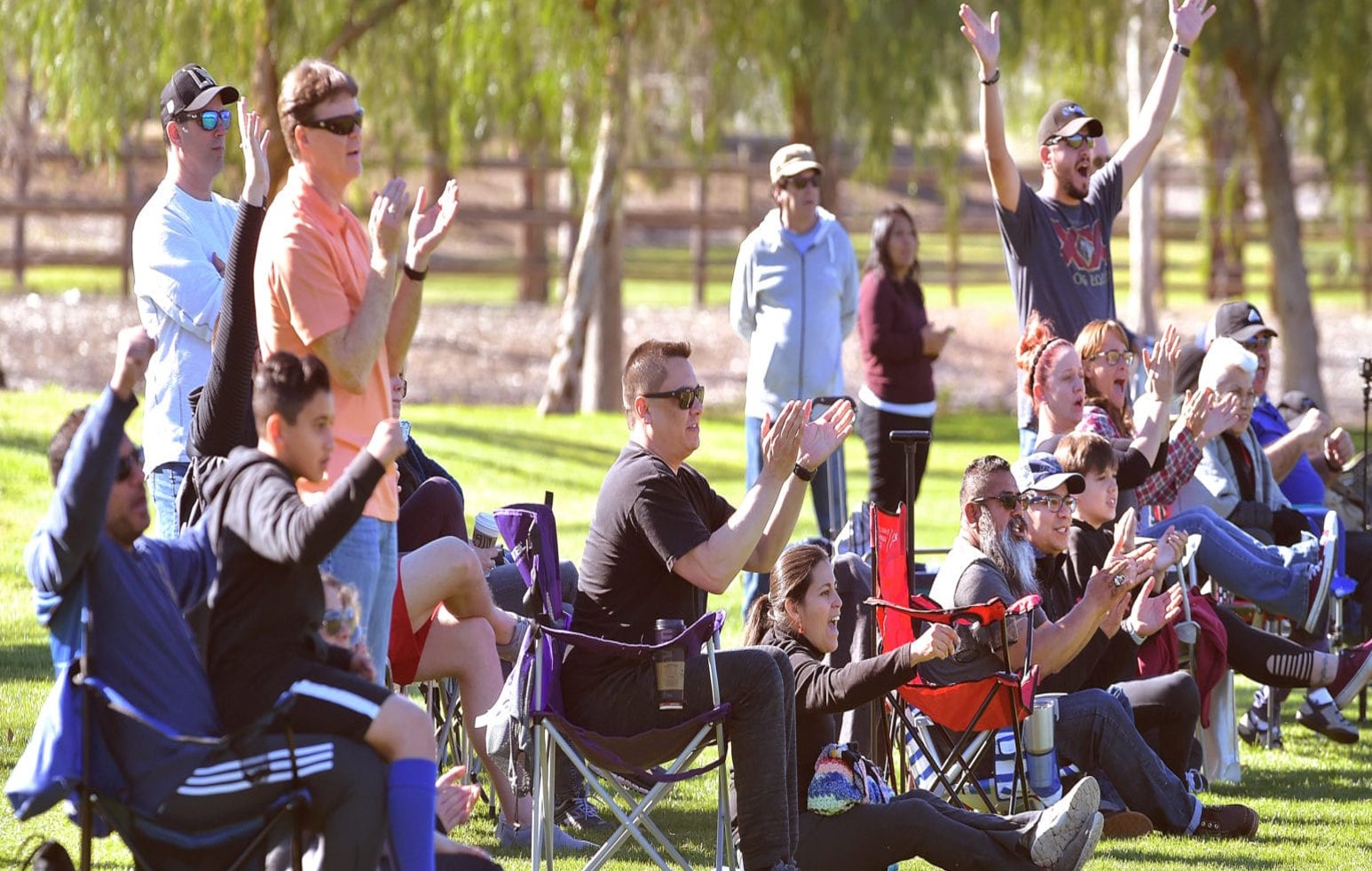
Negative parent behavior is one of the most persistent challenges facing youth sports organizations. Yelling at officials, arguing with coaches, criticizing young athletes, confronting opposing parents, and creating unnecessary pressure can quickly change the atmosphere of a game. These incidents affect more than the adults involved. They can influence the experience of athletes, coaches, officials, volunteers, and other families.
Waiting until an incident occurs is not enough. Youth sports administrators can prevent many problems by establishing expectations before the season, reinforcing them consistently, and creating an environment where positive behavior becomes part of the organization’s culture. Here are 10 preventative measures organizations can put in place before problems reach the sidelines.
BEFORE THE SEASON: Establish the Culture
1. Create a Clear Parent Code of Conduct
Every organization should clearly define acceptable and unacceptable spectator behavior. Address areas such as interactions with officials, communication with coaches, comments directed toward athletes, profanity, harassment, alcohol where applicable, and confrontations with other spectators. Parents should acknowledge the policy during registration so expectations are established before the first game.
2. Hold a Parent Orientation
Policies are more effective when organizations explain the reasons behind them. Use a preseason meeting, video, webinar, or team meeting to explain expectations for sideline behavior and communication. Discuss how adult behavior affects athletes and emphasize that youth sports are developmental environments. Coaches should reinforce the same message at their individual team meetings.
3. Establish a Disciplinary Procedure
Parents should know what happens when expectations are violated. Create a progressive disciplinary process appropriate for your organization that may include warnings, removal from a game, temporary suspension from events, or additional consequences for repeated or serious incidents. Clearly established consequences make enforcement more consistent and reduce arguments about how situations are handled.
ON GAME DAY: Create the Right Environment
4. Use Visible Reminders at Your Facilities
Do not assume parents remember a policy they acknowledged months earlier. Post positive spectator expectations at entrances, fields, gyms, concession areas, and other visible locations. Short messages such as “Cheer for the Players, Respect the Officials” can reinforce the type of environment the organization expects without turning every reminder into a list of rules.
5. Separate Spectators From Players and Officials
Facility setup can influence behavior. Whenever possible, create appropriate physical separation between spectators, team areas, and officials. Clearly designated spectator areas can reduce direct interactions with coaches and referees during emotionally charged moments and make it easier for game-day staff to supervise the environment.
6. Have a Visible Game-Day Administrator
Coaches and officials should not be solely responsible for managing spectator behavior. Designate a league representative, site supervisor, field marshal, or other trained adult who can respond to problems. Parents are often less likely to behave inappropriately when they know the organization has someone actively monitoring the environment.
7. Encourage Positive Cheering Instead of Coaching From the Sidelines
Give parents something positive to do rather than simply telling them what not to do. Encourage cheering for effort, teamwork, improvement, and good sportsmanship. Ask parents to leave tactical instructions and corrections to coaches. Young athletes should not have to decide whether to listen to their coach or a parent shouting different instructions from the sideline.
THROUGHOUT THE SEASON: Reinforce the Standard
8. Address Small Problems Before They Become Big Ones
Administrators should not wait for behavior to become extreme before intervening. Repeated complaints about officials, inappropriate comments, aggressive sideline coaching, or confrontational behavior can be early warning signs. A respectful conversation or reminder early in the season may prevent a more serious incident later.
9. Hold Coaches Accountable for the Culture Around Their Teams
Coaches help set the emotional tone of games. A coach who constantly argues with officials or reacts dramatically to calls can unintentionally signal to parents that similar behavior is acceptable. Include sportsmanship and parent management expectations in coach training and evaluate coaches on the environment they create, not simply their team’s performance.
10. Recognize the Behavior You Want to See
Organizations frequently communicate with parents only when something goes wrong. Make positive sportsmanship visible as well. Recognize teams, coaches, parents, or spectators who demonstrate exceptional support, respect, and sportsmanship. Share positive examples through newsletters, social media, announcements, or end-of-season recognition. Culture grows when organizations consistently reinforce what they value.
Prevention Is Easier Than Intervention
Parent behavior should not be treated solely as a disciplinary issue. It is also an organizational culture issue. Clear expectations, preseason education, visible reminders, trained game-day personnel, appropriate facility management, and consistent enforcement can prevent many problems before they escalate.
The most effective youth sports organizations make it clear that parents are important partners in creating a positive experience. When administrators establish expectations before the season and reinforce them throughout the year, the sidelines can become what they should be: a place where adults support young athletes rather than becoming the focus of the game.
 Previous Post
 Next Post
